
Steam System Conversions
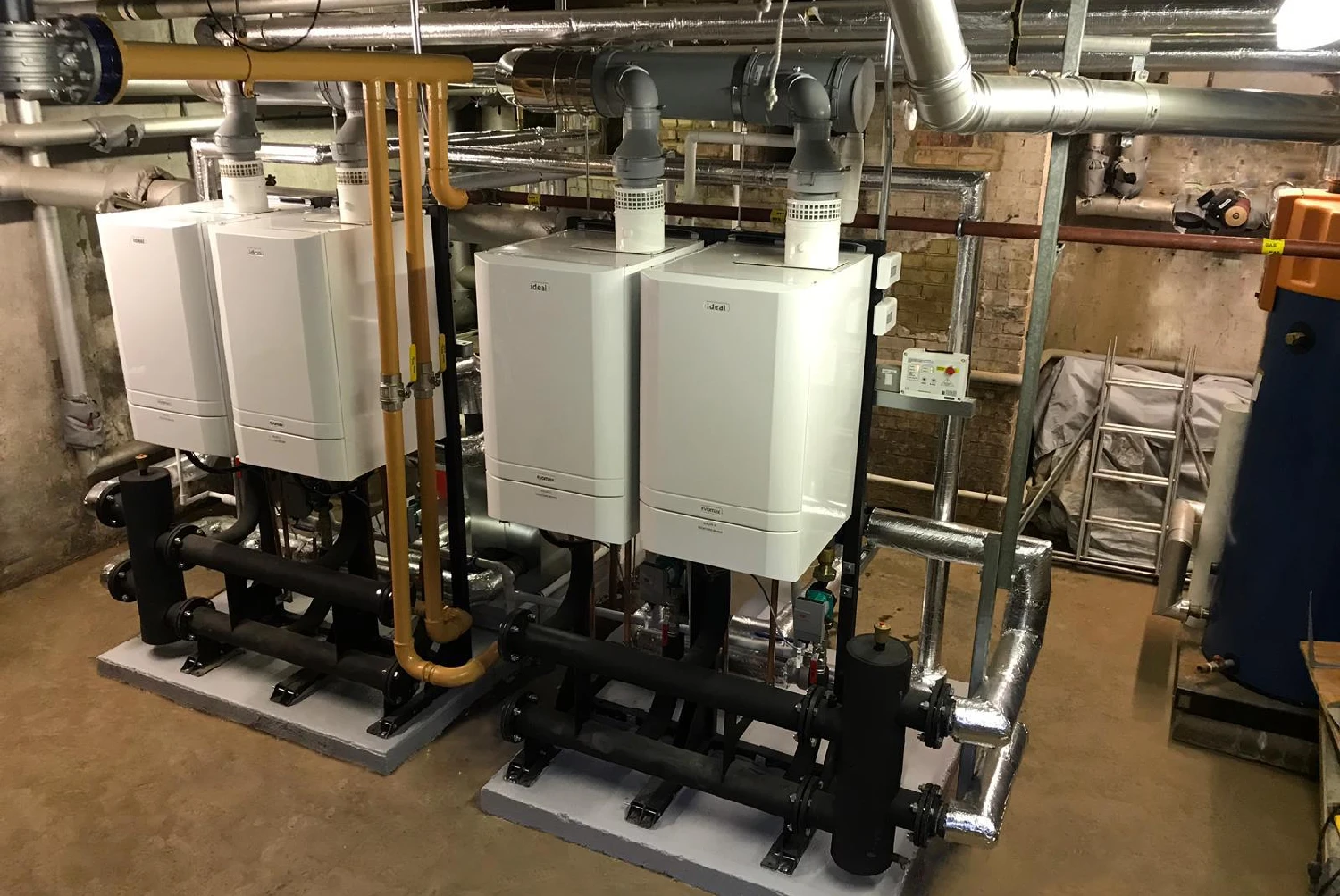
MPM Plumbing & Mechanical Services carries out steam heating system conversions for commercial and industrial buildings across London and the South East, replacing ageing steam infrastructure with modern, efficient low or medium temperature hot water (LTHW/MTHW) heating systems.
About This Service
Many older commercial and institutional buildings — particularly those built before the 1970s — were originally heated by steam distribution systems. While steam systems were once the standard for large-scale heating, they are significantly less energy-efficient than modern hot water systems, require specialist maintenance, and can be costly to operate and repair as the infrastructure ages.
Converting from steam to a modern LTHW or MTHW system typically yields substantial energy savings, reduced maintenance costs, and improved system reliability — while also bringing the building’s heating infrastructure in line with current best practice and supporting low-carbon heating upgrades such as heat pumps in the future.
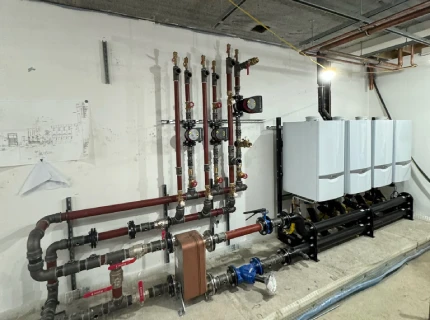
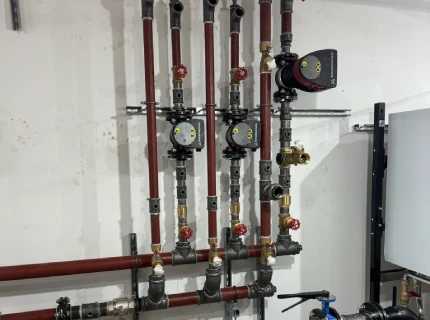
MPM manages the full mechanical scope of a steam system conversion — from decommissioning the existing steam pipework and plant through to designing and installing the new hot water distribution system, connecting new heat emitters, and commissioning the completed installation. Our engineers have the specialist knowledge to work safely on steam systems and to navigate the particular challenges that older buildings present.
What We Offer
- Steam system survey, assessment, and decommissioning
- New LTHW or MTHW primary pipework installation
- New heat emitter (radiator or FCU) connections
- Pressurisation and expansion equipment
- Chemical flushing and system treatment
- New controls and BMS integration
- System commissioning and balancing
- Full project management and documentation
Frequently Asked Questions
Steam systems, while effective when first installed, are significantly less energy-efficient than modern hot water heating systems. They require specialist maintenance skills that are increasingly hard to source, suffer from higher heat losses, and are prone to corrosion and condensate management problems as they age. Converting to a modern LTHW or MTHW system typically delivers substantial energy savings, lower maintenance costs, improved reliability, and a heating infrastructure that can accommodate future low-carbon upgrades such as heat pumps.
A full steam system conversion involves safely decommissioning and removing the existing steam boilers, pipework, steam traps, and associated equipment; designing and installing a new hot water primary distribution system; replacing or converting heat emitters throughout the building; installing new pressurisation and expansion equipment; chemically flushing and treating the new system; and commissioning and balancing the completed installation. MPM manages the full mechanical scope of this process.
Maintaining heating to occupied areas during a system conversion is one of the key challenges of this type of project. MPM works with the client and project team to develop a phased programme that keeps disruption to a minimum — typically converting the system section by section, maintaining temporary heat to occupied areas where required, and planning the most disruptive work for building shutdowns or low-occupancy periods.
In many cases, yes — and this is one of the key reasons to carry out a steam-to-LTHW conversion now rather than later. Converting to a well-designed LTHW system creates the distribution infrastructure needed to connect a heat pump in the future, particularly if the system is designed from the outset for lower flow temperatures. MPM can design the new LTHW system with future decarbonisation in mind, making a subsequent heat pump installation far more straightforward.
Commercial gas appliances should be serviced at least annually by a Gas Safe registered engineer in accordance with the manufacturer's recommendations and current gas safety legislation. For high-usage commercial appliances — such as commercial kitchen equipment or large heating boilers — more frequent servicing may be required. Regular servicing maintains appliance efficiency, extends equipment life, ensures ongoing safety compliance, and is typically a requirement of the appliance manufacturer's warranty.
Yes. Steam systems operate at elevated pressures and temperatures, and decommissioning them safely requires engineers with specific knowledge of steam plant, pressure systems legislation, and safe isolation procedures. MPM's engineers have the experience and qualifications to carry out steam system decommissioning safely, in compliance with the Pressure Systems Safety Regulations 2000 and current health and safety requirements.
The duration of a steam system conversion depends on the size and complexity of the existing system, the extent of the new hot water installation, and the constraints of working in an occupied building. A typical commercial building conversion might take anywhere from several weeks to several months. MPM will carry out a thorough survey and provide a detailed programme and quotation before any work begins.


